
The Art of Designing High-End Residences with Timeless Appeal
In the world of luxury real estate, trends are often like seasonal fashion—here today, dated by the next architectural biennial. However, true "high-end" design isn't about the newest gadget or the loudest color; it is about permanence. As we look toward 2026, the philosophy of luxury has shifted from "conspicuous consumption" to "curated calm." Designing a residence with timeless appeal requires a delicate balance of classical principles and future-forward innovation.
2/23/20262 min read
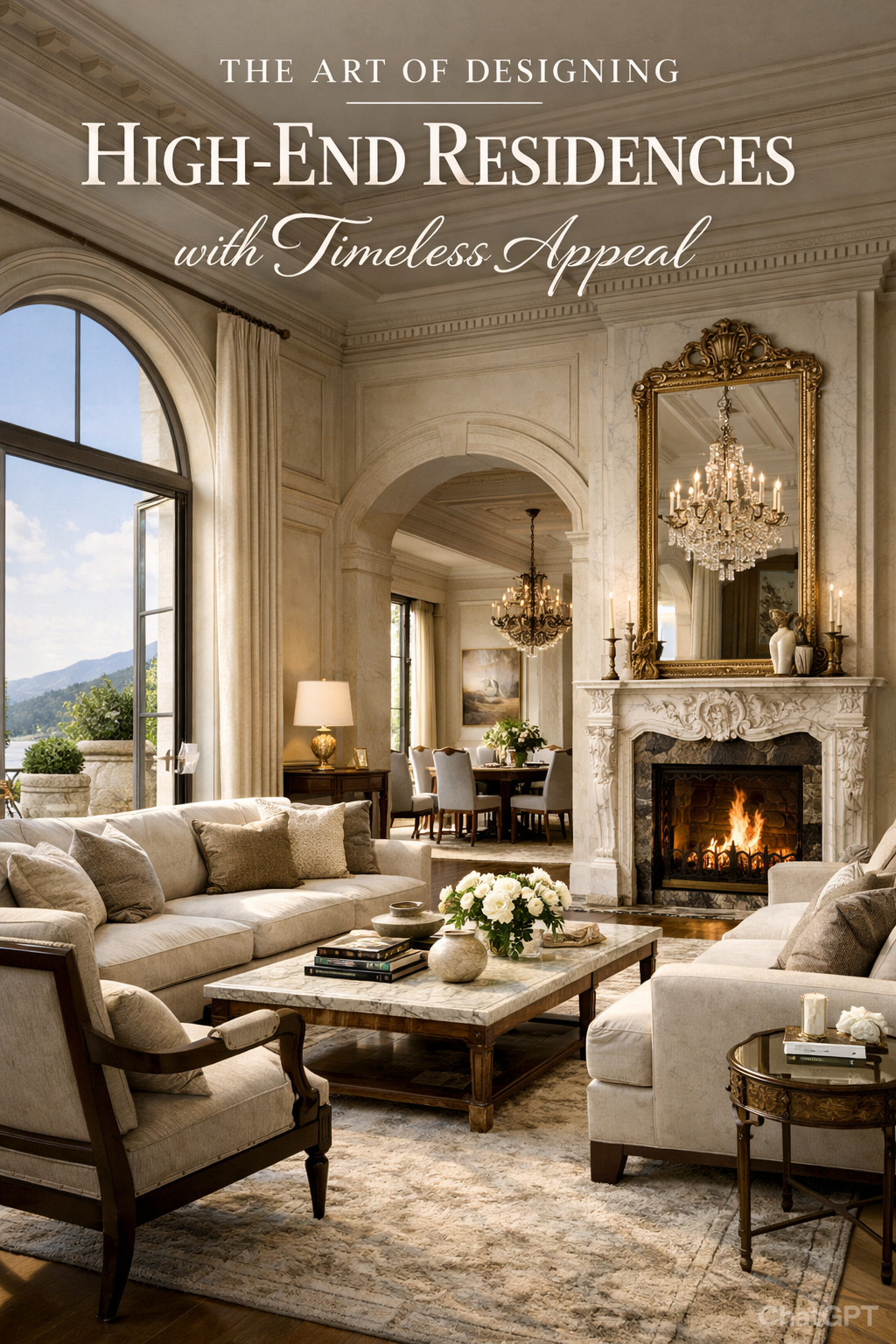
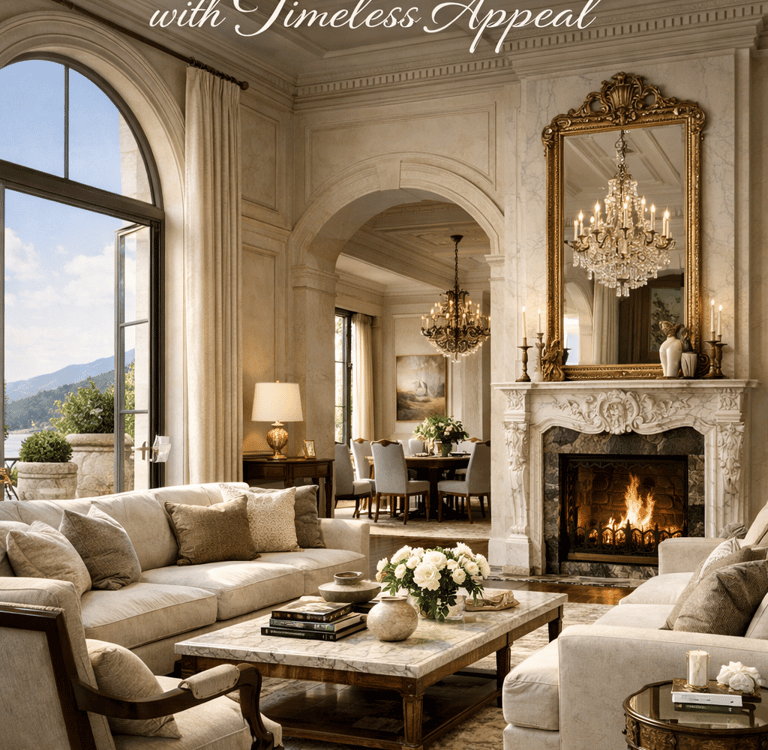
1. The Architecture of Order: Symmetry and Proportion
The foundation of a timeless home isn't in its finishes, but in its bones. Classical architecture has endured for centuries because it is rooted in human-centric proportions.
Symmetry as Stability: Symmetrical facades and balanced window placements provide an innate sense of calm. A central axis creates a clear narrative for the home, leading the eye naturally through the space.
The Human Scale: Even in grand, high-ceilinged manors, the most successful designs maintain a sense of intimacy. This is achieved through architectural layering—using cornices, wainscoting, and coffered ceilings to "bring down" the scale to a comfortable level.
2. The "Honest" Material Palette
A residence loses its appeal when materials begin to deteriorate rather than age. High-end design prioritizes materials that develop a patina—a surface character that only time can provide.
Material: Why It’s Timeless: Best Application: Natural Stone: Marble and limestone are unique; no two slabs are identical.Flooring, grand foyers, and spa-like primary baths.Solid Hardwoods: Walnut and Oak provide a warmth that synthetic "luxury" vinyl cannot replicate.Herringbone flooring and bespoke library cabinetry. Living Metals: Unlacquered brass, bronze, and copper darken and wear with touch.Hardware, light fixtures, and kitchen accents.
3. "Quiet" Technology: The Invisible Concierge
The mark of a 2026 luxury home is not a wall of screens, but invisible integration. Technology should support the lifestyle without disrupting the aesthetic.
Circadian Lighting: Systems that mimic the sun’s natural path to improve well-being, hidden behind architectural coves.
Acoustic Engineering: High-end design treats sound as a material. Silent HVAC systems and hidden acoustic paneling ensure the "luxury of silence."
Discreet Automation: Motorized shades and integrated security that respond to voice or presence, tucked away behind elegant millwork.
4. Reclaiming the "Closed" Floor Plan
While "open concept" dominated the early 2000s, timeless luxury is returning to defined, purpose-driven spaces.
The 2026 residence favors "broken-plan" living—using architectural screens, double-sided fireplaces, or changes in floor levels to separate a formal dining room from a private library. This provides a sense of discovery as one moves through the home, rather than seeing everything at a single glance.
5. Wellness as a Structural Element
Modern luxury recognizes that a home should be a sanctuary for health. This is no longer just a basement gym; it is integrated biophilic design:
Indoor-Outdoor Fluidity: Floor-to-ceiling glass systems that disappear into walls, merging the living room with a private courtyard.
Water as Art: Minimalist reflection pools or indoor water walls that provide natural humidification and soothing white noise.
The Golden Rule: True luxury is the absence of the unnecessary. When designing for the ages, choose "better" over "more."
Are you planning a new build or a renovation? I can help you draft a specific design brief or suggest a material palette based on a particular architectural style (like Modern Mediterranean or Transitional Colonial).
Follow Us
Crafting interiors that reflect your unique lifestyle.
Contact
+971-5446-17571
©2026 Ivory&Stone Studio- All rights reserved